Understanding the social implications of gambling through the lens of pin-up
Gambling has long been interwoven into the fabric of society, often reflecting cultural values and societal norms. From ancient rituals to modern-day casinos, the act of wagering has served as both a source of entertainment and a means of social interaction. As communities evolve, the perception of gambling changes, shaping its role and the way individuals engage with it. Many enthusiasts are drawn to platforms that offer a pin up apk, enhancing their experience with convenience.
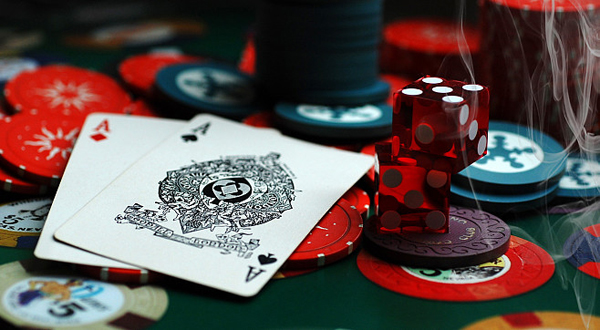
This cultural significance often extends into various forms of media, including the pin-up genre, which celebrates a particular aesthetic and lifestyle. The allure of pin-up can encapsulate the thrill of gambling, attracting individuals who are drawn to both the glamour and the risk involved. This intersection highlights how societal views on gambling are often glamorized, influencing how people perceive its implications.
Pin-up culture has played a pivotal role in how gambling is perceived, often romanticizing the experience. The imagery associated with pin-up models—bold, confident, and adventurous—can alter public perception, making gambling appear as a glamorous and exciting activity. This portrayal can be appealing to individuals seeking an escape from everyday life.
Moreover, the infusion of pin-up aesthetics into gambling can be seen in various marketing strategies employed by casinos and online gaming platforms. The use of enticing visuals and flirtatious themes can attract a younger demographic, shaping their views on gambling as a stylish and desirable pastime, which may not always align with the potential risks involved. The integration of elements from the industry encourages users to explore offerings like the pin up apk.
While gambling can be seen as a fun and thrilling activity, it also has darker implications, particularly regarding addiction. The glamorization of gambling through pin-up culture can mask the serious consequences that addiction may carry. Individuals may become enamored with the lifestyle presented in media, leading them to overlook the potential for personal and financial harm.
As addiction takes hold, the social ramifications become profound. Families can suffer, relationships may be strained, and individuals can find themselves isolated. The narrative surrounding pin-up culture often lacks the depth to address these issues, presenting gambling solely as an adventure rather than a potential trap. This disconnect can hinder open discussions about responsible gambling practices and the importance of recognizing warning signs of addiction.
To combat the negative aspects of gambling addiction, it is crucial to leverage the pin-up aesthetic to promote responsible gambling. By shifting the narrative to include discussions of moderation and self-awareness, the industry can utilize the engaging nature of pin-up culture to convey essential messages about the risks of excessive gambling.
Campaigns that embody this approach can resonate with audiences, using the captivating visuals of pin-up art to foster awareness and educate players about responsible gaming. This could create a balance between the allure of gambling and the importance of making informed choices, thereby promoting a healthier relationship with gambling as a whole.

The interplay between gambling and pin-up culture is a reflection of broader societal dynamics, where aesthetics and lifestyle choices shape perceptions and behaviors. As the landscape of online gambling evolves, understanding these social implications becomes ever more critical.
In this digital age, platforms that cater to gambling enthusiasts often draw from the same cultural elements that pin-up embodies. By fostering a dialogue around responsible gambling and leveraging cultural icons, it is possible to create a more informed community that enjoys the thrill of gaming while remaining aware of its potential pitfalls.