Unraveling the fascinating history of gambling through the ages
The history of gambling can be traced back thousands of years to ancient civilizations. Archaeological evidence suggests that the practice began in China as early as 2300 BC, where rudimentary games of chance and betting were integral to social life. Similarly, ancient Egyptians participated in gambling activities, often revolving around dice games and betting on the outcomes of sporting events. These early forms of gambling were not just recreational; they were woven into the fabric of society and culture, serving as a means of entertainment and social interaction. Today, players can dive into experiences like https://ice-fishing-live-game.com/, which reflect modern adaptations of this ancient practice.
As civilizations evolved, so did gambling. The Romans, for instance, are known to have developed sophisticated games and betting systems that included everything from dice to board games. Their passion for gambling was reflected in their literature and art, portraying both the joys and the perils associated with this age-old pastime. This laid the groundwork for the diverse gambling practices we see today, showcasing how the psychological allure of risk and chance transcends time and culture.
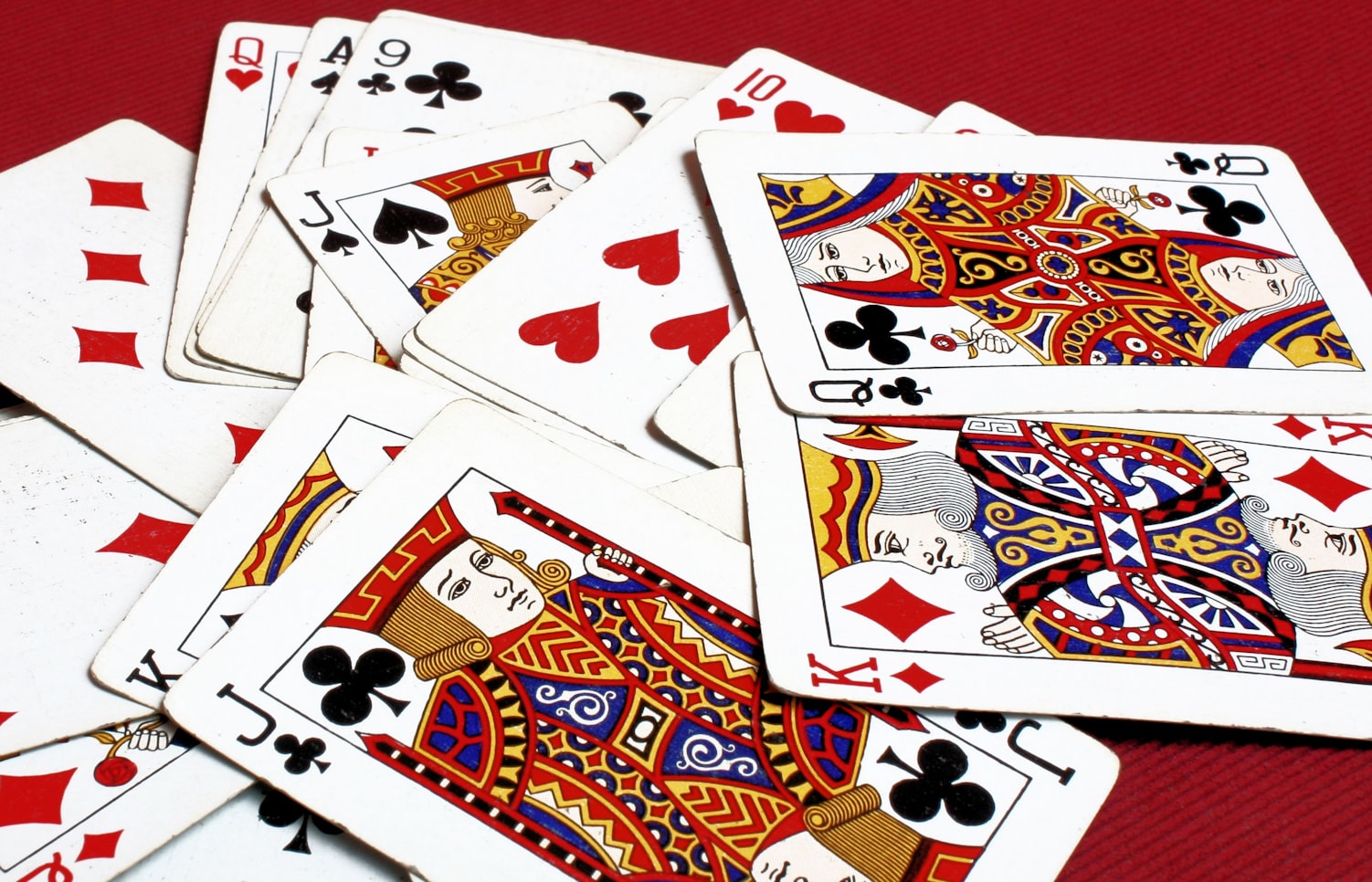
During the medieval period, gambling saw both repression and flourishing. The church often condemned the practice, viewing it as sinful and morally corrupt. Despite this, gambling remained popular among the nobility and common folk alike. Card games became particularly fashionable, and the establishment of public houses created an environment conducive to gambling activities. This era saw the birth of many gambling games that are still played today, such as poker and blackjack.
Psychologically, gambling in medieval times served as a form of escapism. The uncertainties of life, such as famine and disease, drove people to seek thrills in games of chance. The potential for winning not only money but also social status or favors added an intoxicating element to gambling, highlighting its deep-rooted psychological appeal across different social strata.
The 18th and 19th centuries marked a significant shift in the perception and legality of gambling. The establishment of casinos in Europe and the introduction of state-sponsored lotteries in various countries changed the landscape of gambling. This era saw the emergence of professional gamblers, and the development of gambling regulations sought to manage the activity rather than eradicate it. The psychological aspects of gambling, such as the thrill of winning and the adrenaline rush of risk-taking, began to be studied more systematically.
As gambling became more accepted in society, it also fostered a growing sense of community among players. Social settings like casinos offered not just the thrill of risk but also opportunities for socialization and networking, which contributed to a changing societal attitude towards gambling. The rise of gambling in the modern era underscores its complex role in human behavior, intertwining with desires for wealth, social interaction, and adventure.
The late 20th century ushered in the digital age, transforming the gambling industry dramatically. The advent of the internet opened up new avenues for gambling, allowing players to engage from the comfort of their homes. Online casinos and betting sites emerged, offering a plethora of games and betting options at the click of a button. This shift not only expanded the reach of gambling but also introduced new psychological dimensions such as anonymity and the potential for addictive behaviors.
Online gambling platforms have adapted traditional games for a digital audience, often incorporating interactive elements that enhance user engagement. The psychological allure of online gambling, with its instant gratification and easy access, raises important questions about regulation and responsible gaming. Understanding the psychological impact of these modern developments is crucial, as they have fundamentally changed how society interacts with gambling.

As we look to the future, the landscape of gambling continues to evolve. With advancements in technology, including virtual reality and blockchain, the gambling experience is becoming increasingly immersive and secure. The cultural impact of gambling remains significant, influencing not only entertainment and leisure but also economic factors like tourism and job creation.
Moreover, the increasing acceptance of gambling in various forms raises essential discussions about social responsibility and mental health. Understanding the psychological aspects of gambling is vital for both players and regulators, as it shapes policies and practices aimed at promoting safer gambling experiences. As we delve deeper into this fascinating history, it becomes clear that gambling will continue to be a complex interplay of psychology, culture, and technology.