Uncovering the truth behind common gambling myths and misconceptions
One of the most prevalent misconceptions in gambling is the gambler’s fallacy, which suggests that past events influence future outcomes. For instance, if a roulette wheel lands on red several times in a row, some players may believe that black is “due” to win. This belief is misleading, as each spin of the wheel is an independent event governed by chance. Incorporating strategies from non gamstop casinos can help players make more informed decisions rather than relying on flawed logic.
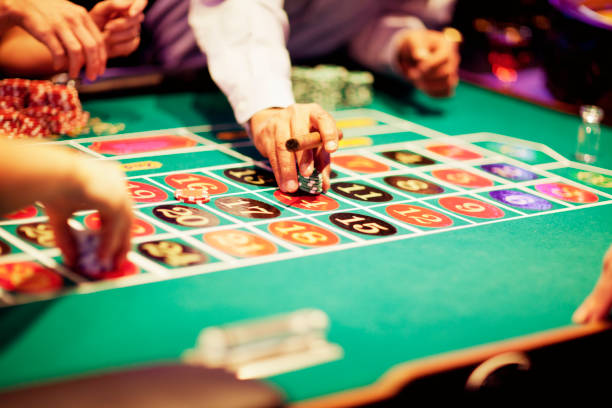
In reality, games like poker and blackjack do incorporate skill elements, but many games of chance, such as slots and roulette, remain unpredictable. Recognizing the difference between luck and skill can significantly alter one’s approach to gambling, leading to a more strategic, and often more enjoyable, experience.
Another common myth revolves around the idea of “hot” and “cold” machines in casinos. Players often believe that certain slot machines are more likely to pay out based on recent results. This assumption can lead to extended play on specific machines in hopes of hitting a jackpot. However, slot machines operate on random number generators that ensure each spin is independent and random.
Understanding that all machines have the same odds of winning can be a crucial factor in maintaining a balanced perspective on gambling. Players should remember that chasing trends on machines may lead to disappointment, as results are purely based on chance rather than any identifiable patterns.
Many gamblers subscribe to betting systems that promise increased winnings by adjusting bets based on wins or losses. The Martingale system, for example, suggests doubling a bet after a loss in hopes of recouping losses eventually. While these systems may appear logical, they do not alter the fundamental odds of the game and can lead to substantial losses.
It’s essential for players to approach these betting systems with skepticism. Relying on them can create a false sense of security and lead to reckless betting behavior. A better approach is to manage bankroll wisely and set limits to enjoy gambling responsibly.
Many gamblers do not fully understand the concept of the house edge, which refers to the mathematical advantage that casinos have over players. This edge varies by game, and a lack of awareness can lead to misplaced confidence. For example, while games like poker can offer low house edges, others like keno can be much higher, making them less favorable for players.
By familiarizing themselves with the odds of various games, players can make more informed choices that align with their gambling goals. Knowledge of the house edge can significantly impact long-term enjoyment and financial outcomes in gambling.

This website is dedicated to promoting responsible gambling practices and educating users on the realities of gambling. By debunking myths and misconceptions, we aim to empower individuals to engage in gambling safely and sustainably. Understanding the truth behind these myths is crucial for enjoying the gambling experience without falling prey to misinformation.
We strive to provide a secure and informative environment for users, ensuring they have access to the resources they need. Whether you’re looking for tips or seeking assistance, our goal is to support responsible gambling and foster a safer gaming community.